

Should you really mess with something that has worked for 20 years? Patients who have older silver amalgam fillings often wonder whether the composite fillings vs. silver amalgam choice still matters now that the original work is in place. The answer depends on the condition of your fillings, your appearance preferences, and a few factors most patients have never thought about. Replacing a filling that still functions well is not always the right call, but neither is leaving one that has started to fail.
Key Takeaways
- Composite fillings blend with the natural tooth color, while silver amalgam fillings have a noticeable metallic appearance.
- Modern composite materials have become strong enough to handle both front and back teeth in most cases.
- Silver amalgam fillings often last decades, so replacing one without a reason is rarely necessary.
- Cracks, leaks, decay underneath, or sensitivity around an old filling are all valid reasons to consider an update.
- A routine exam is the best way to know whether your current fillings are still doing their job.
The Basics of Composite Fillings vs. Silver Amalgam
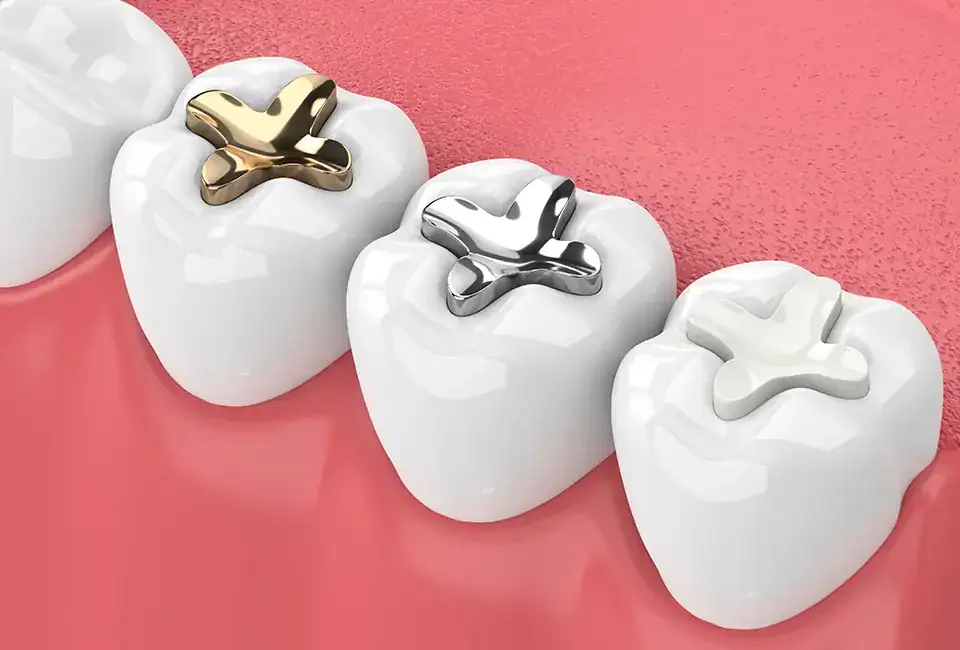
Silver amalgam has been a staple of dentistry for more than a century. The material is a mixture of metals, including mercury, silver, tin, and copper, and it is known for being durable, affordable, and easy to place. The downside is the dark, metallic appearance, which is why amalgam tends to show whenever you laugh or open wide.
Composite fillings are made from a tooth-colored resin that bonds directly to the tooth structure. The material has improved dramatically over the past two decades, and modern composite is now strong enough for back teeth where chewing pressure is highest. The natural appearance is one of the biggest reasons patients choose composite for visible areas.
How They Compare in Daily Use
Both materials have real strengths. Amalgam is exceptionally durable and often lasts 15 to 20 years or more. Composite typically lasts 7 to 15 years, depending on the location and the size of the filling. The shorter lifespan is one of the trade-offs that comes with the more natural appearance.
Composite also requires less drilling, since it bonds directly to the tooth and does not need extra grip from undercuts the way amalgam does. This means more of your natural tooth structure stays intact, which is one of the quieter long-term benefits of going with composite when a new filling is needed.
When Replacing an Old Filling Makes Sense
Older fillings do not need to be replaced just because they are old. A well-placed amalgam filling can keep working for decades without an issue. The decision changes when specific signs start showing up around the filling:
- Cracks in the filling: Visible cracks can let bacteria reach the tooth underneath.
- Decay around the edges: A small cavity forming next to the filling means the seal has broken down.
- Sensitivity in that tooth: New or worsening sensitivity often points to a problem with the filling.
- Tooth fractures: Older amalgam fillings can sometimes contribute to small fractures in the surrounding tooth.
- Appearance concerns: Patients who want a more natural smile sometimes choose to update for cosmetic reasons.
What About Concerns Over Mercury?
This is a question many patients bring up, and it deserves a clear answer. Major health organizations have consistently found that the small amount of mercury used in dental amalgam is safe for most patients. Some patients still prefer to switch to composite for personal reasons or simply because they prefer the natural look, which is a perfectly valid reason on its own.
Patients with specific health concerns or sensitivities should talk to their dentist before any work begins. The choice should fit your situation, not just a general recommendation.
How the Replacement Process Works
Replacing a filling is usually a straightforward appointment. The old filling is removed, the tooth is cleaned, and the new composite material is layered into the space and cured with a special light. The whole process typically takes 30 to 60 minutes per tooth and is performed with full numbing, so most patients feel only pressure rather than discomfort.
Mild sensitivity in the first few days after the replacement is common and usually fades quickly. Your dentist will let you know if any specific aftercare steps apply to your situation.
The Right Choice Depends on Your Mouth, Not the Trend
Old fillings do not need to be replaced just because composite has become more popular. The smartest path looks at the condition of your current fillings, the location in your mouth, and what matters most to you in terms of appearance and longevity. A routine exam is the easiest way to find out where you actually stand and whether an update is worth considering right now. If you want to learn more about dental fillings, visit our Dental Fillings in Foothill Ranch page to schedule a consultation.