

Most adults have heard the twice-a-year dental cleaning recommendation so many times that it has become a default assumption. And for many patients, two cleanings per year is exactly right. But that interval was not derived from a single study with universal applicability—it is a general guideline that fits the average patient with average risk. Your actual ideal cleaning frequency depends on the state of your gum tissue, your cavity risk, and the specific oral health challenges your mouth presents.
Why Twice a Year Became the Standard
The biannual cleaning recommendation traces back to dental insurance structures and marketing as much as clinical evidence. Many early dental insurance plans covered two cleanings per year, and that coverage shaped patient expectations and provider scheduling patterns over decades. The interval is clinically reasonable for a broad population of patients with healthy gums and average plaque accumulation, but it is not a universal prescription derived from individual patient assessment.
What clinical evidence does support is that the appropriate interval varies by patient, and that treating everyone with the same schedule regardless of their gum health and risk factors leaves some patients undertreated and others receiving more frequent care than they clinically need.
Who Benefits From More Frequent Cleanings
Patients with a history of periodontitis require a different cleaning schedule than those who have always had healthy gums. After completing a deep cleaning, the maintenance interval for most periodontal patients is every three to four months. This is not an upsell—it reflects the clinical finding that pockets treated for gum disease re-colonize with pathogenic bacteria within 60 to 90 days, and that quarterly maintenance is what prevents the disease from re-establishing at the same depth.
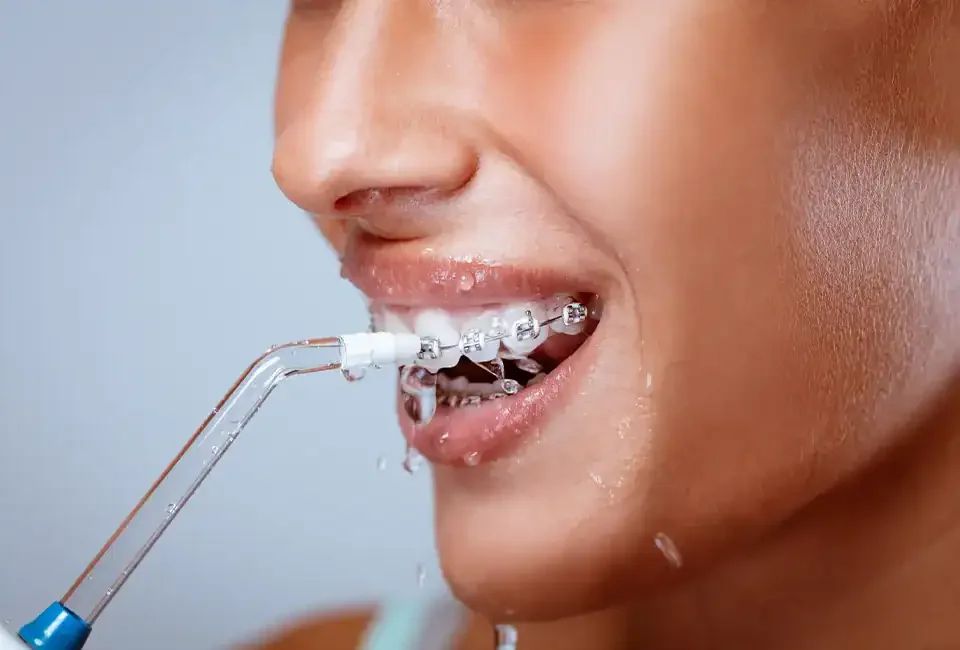
Beyond gum disease, several other conditions justify shortened intervals. Patients with dry mouth—whether from medications, systemic conditions, or mouth breathing—accumulate calculus faster and are at higher risk for rapid cavity development. Patients undergoing chemotherapy or radiation involving the head and neck often require monthly dental monitoring. Orthodontic patients, whether in traditional braces or clear aligners, have additional plaque-trapping surfaces that benefit from more frequent professional removal. Smokers and patients with diabetes also show higher rates of periodontal change and typically benefit from more frequent monitoring.
Who Might Be Fine With Less Frequent Cleanings
A smaller group of patients—those with consistently clean exams, minimal tartar accumulation, excellent home hygiene documented over multiple years, and no cavity history—may not need two professional cleanings per year. Some studies have suggested that annual cleanings for low-risk patients produce outcomes comparable to biannual schedules.
That said, extending the interval should be based on a documented pattern of clean exams over time, not on patient preference or cost avoidance. The clinical picture at each visit—not the calendar—is what should inform the recommendation. A patient who has gone three years without a cavity or gum change is a different risk profile than one who had two cavities at the last visit.
What Gets Accomplished at a Cleaning That Home Care Cannot
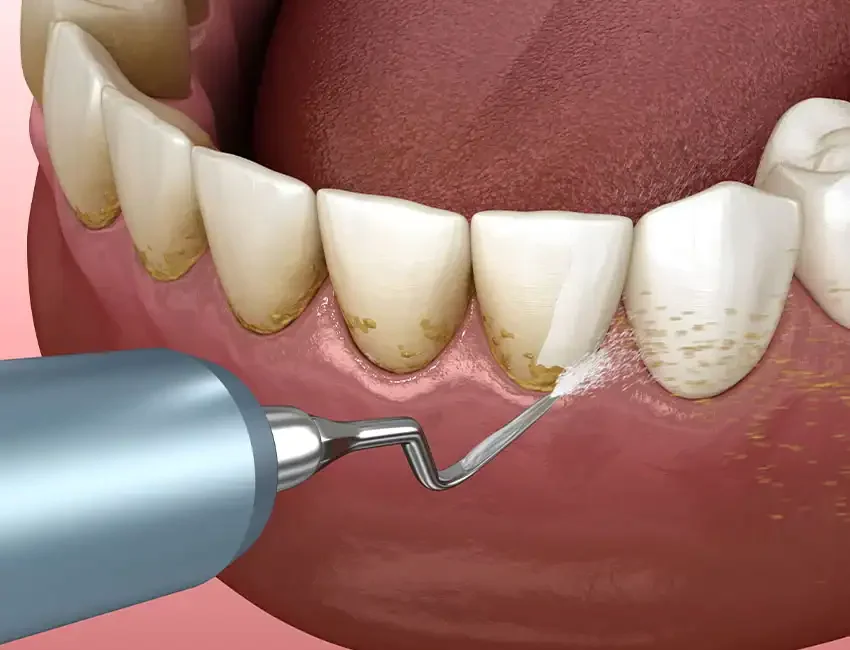
Daily brushing and flossing remove soft plaque effectively when done correctly. What they cannot remove is calculus—the hardened mineral deposit that forms when plaque is not fully cleared and mineralizes onto the tooth surface within 24 to 72 hours. Calculus provides a rough surface for additional bacterial colonization and cannot be dislodged by any home tool. Professional instruments are required to remove it.
Beyond calculus removal, a professional teeth cleaning includes clinical assessment of the gum tissue, pocket depth measurements, and evaluation of changes from the previous visit. The hygienist sees patterns developing over time—areas that consistently accumulate more buildup, gum sites that are slowly worsening, new staining that suggests a dietary change or medication effect. That longitudinal clinical picture is not available to the patient at home.
Frequently Asked Questions
What happens if I skip a cleaning for a year or two?
For patients with healthy gums and low risk, a skipped cleaning typically results in calculus accumulation that takes longer to remove at the next visit and may lead to mild gum irritation. For patients with a history of gum disease or high cavity risk, a gap in care allows the conditions that drive those problems to re-establish and progress—often silently. The consequences are proportional to the patient’s baseline risk.
Can I decide my own cleaning frequency based on how my teeth feel?
Symptoms are not a reliable guide to the state of your gum tissue or bone levels. Gum disease causes significant and irreversible bone loss without pain in the majority of cases. Cavities in their early stages typically produce no sensation. Feeling fine between cleanings is reassuring but not equivalent to clinical confirmation that nothing is developing. Professional measurement and imaging are what provide that confirmation.
Your Cleaning Interval Should Be a Clinical Decision, Not a Default
Getting a dental cleaning twice a year is appropriate for many patients—but not because it is a universal rule. It is appropriate when the clinical findings at each visit confirm that nothing is changing between appointments and that six months is enough time between professional care cycles. When that picture changes, the interval should change with it.
If you want to learn more about dental cleanings, visit our Teeth Cleaning in Foothill Ranch page or schedule a consultation.