

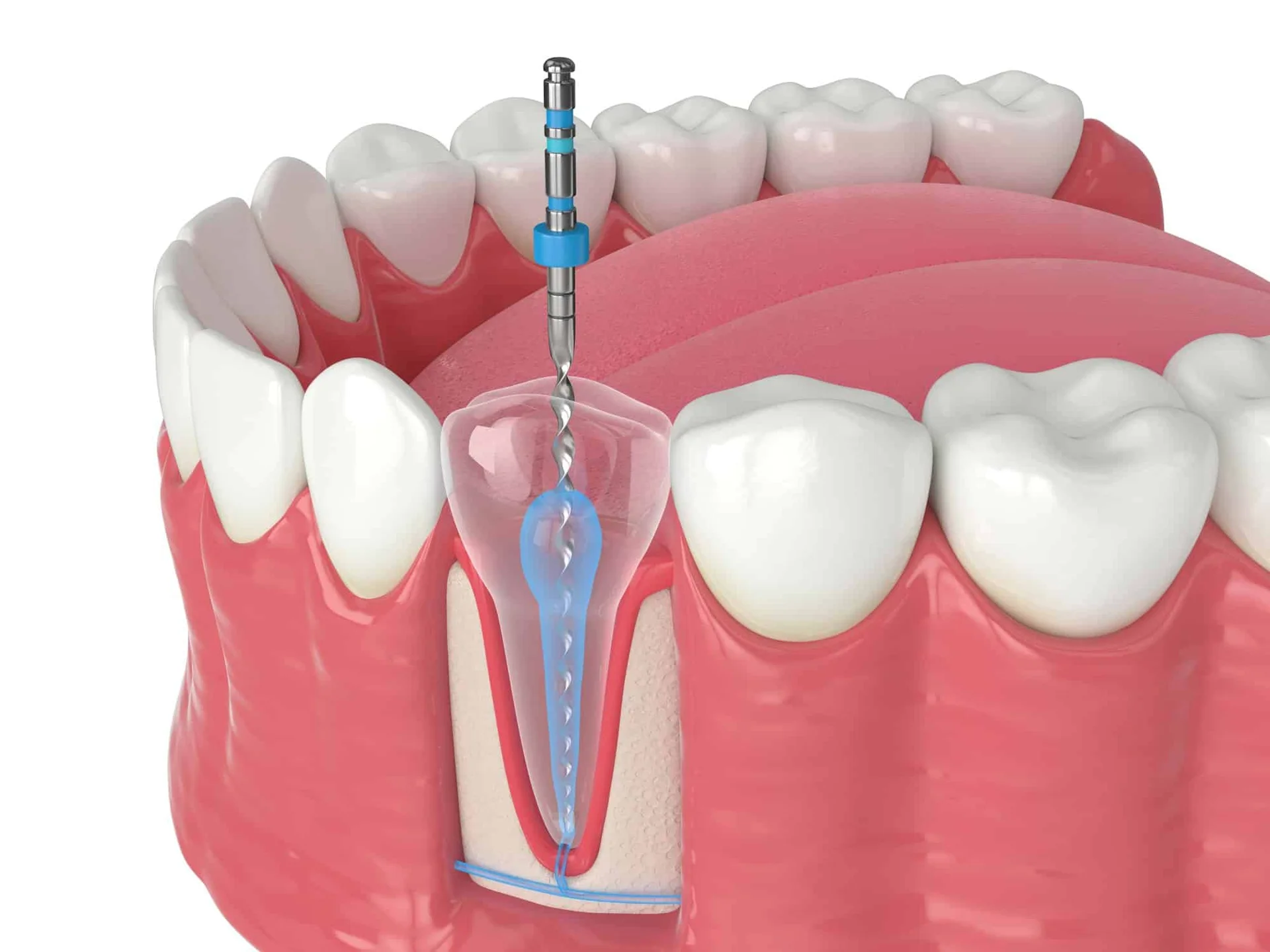
Faced with a badly infected tooth, should you save it or pull it? Deciding between a root canal and tooth extraction is one of the more common dilemmas in dentistry, and the answer usually favors saving the tooth. A root canal clears the infected pulp from within a tooth, then cleans, fills, and seals it to keep the natural structure intact. When a tooth can be salvaged, our root canal treatment relieves the pain while keeping your own tooth in place. It is the kind of decision residents weigh before a weekend hike on the Borrego Canyon Trail, hoping to settle the discomfort quickly.
Key Takeaways
- Dentists and endodontists generally recommend saving a natural tooth whenever it is realistically possible. Nothing replaces it perfectly.
- A root canal removes infected pulp and seals the tooth, ending the pain while keeping it intact. A crown often follows for protection.
- Extraction removes the tooth entirely, leaving a gap that usually needs an implant or bridge. Those replacements add cost and time.
- Saving the tooth is frequently more affordable over the long run than extracting and replacing it. It also protects your bite and jawbone.
- Extraction is the preferred option when a tooth is cracked below the gum or too decayed to be restored. Our team helps you weigh the specifics.
Root Canal or Tooth Extraction: Which Is the Better Choice?
For most restorable teeth, a root canal is the better choice. The American Association of Endodontists makes the case that saving the natural tooth avoids the more extensive, costly work required to replace one. Extraction ends the infection, but it also leaves an empty socket that must eventually be filled to protect your bite. Given the option, keeping your own tooth almost always serves your long-term health better.
That preference is not sentimentality; a natural tooth outperforms any prosthetic in feel and function. It also stimulates the jawbone in ways an empty gap cannot. Preserving it keeps the neighboring teeth from drifting out of alignment.
How Does a Root Canal Save a Tooth?
During treatment, the inflamed or infected pulp is removed from the tooth’s inner chambers. The space is then carefully cleaned, disinfected, and sealed with a rubber-like material to prevent bacterial ingress. A crown or filling usually follows to restore strength and protect the tooth for years of normal use. Modern anesthesia and instruments make the procedure far more comfortable than its reputation suggests.
Contrary to the old myths, most patients compare the experience to having a routine filling placed. The soreness that follows is typically mild and short-lived. Relief from the original infection is usually immediate and dramatic.
When Is Tooth Extraction the Better Option?
Extraction makes sense when a tooth is simply beyond saving. A vertical crack extending below the gum line, severe bone loss, or extensive decay can leave too little healthy structure to restore. In those cases, removing the tooth is the most predictable way to eliminate infection and pain. Residents from Rancho Santa Margarita to Portola Hills come to us for a clear, honest assessment of which path fits their tooth.
When extraction is unavoidable, planning the replacement right away protects your bite. An implant or bridge fills the gap and prevents neighboring teeth from shifting. Our team walks you through every option before anything is decided.
Is a Root Canal or Extraction More Expensive?
At first glance, an extraction looks cheaper, and the procedure itself often is. The larger expense arrives afterward, when the missing tooth needs an implant, bridge, or denture to restore function. Once those replacement costs are factored in, saving the tooth is often the more economical option. The AAE points out that a root canal typically costs less than extraction followed by a single-tooth restoration.
Beyond dollars, there is the value of time and convenience. A root canal is usually wrapped up in one or two visits, while replacing an extracted tooth can stretch across months. Keeping your natural tooth spares you both the expense and the extended timeline.
Frequently Asked Questions
Do root canals actually hurt these days?
Far less than their reputation suggests. Modern anesthesia keeps the visit about as comfortable as a routine filling. Most of the pain people dread actually comes from the infection beforehand.
How long does a tooth last after a root canal?
A crowned, restored tooth can last a lifetime with good care. Regular brushing, flossing, and checkups protect it. Many people never have any further issues with that tooth.
Can a root canal save every infected tooth?
Sometimes not. A tooth with a deep crack or severe bone loss may be beyond repair. An exam and X-ray reveal if saving it is realistic.
Making the Right Call for Your Smile
When you are weighing a root canal or tooth extraction, the guiding principle is simple: save the natural tooth whenever it can be done. A root canal ends the infection, preserves your bite, and usually costs less over the years than removal and replacement. Our Root Canal treatment is designed to keep your own tooth working for decades to come. When a tooth cannot be saved, we will tell you plainly and guide you toward the best replacement. If you want to learn more about root canals or tooth extractions, visit our Root Canal in Foothill Ranch, CA, page or schedule a consultation.