

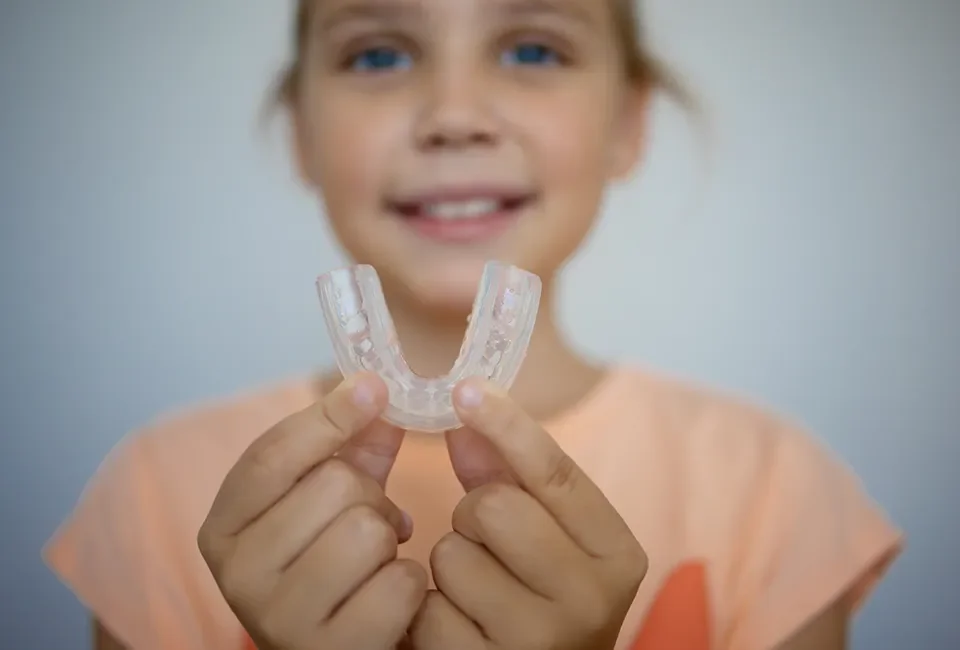
A cracked, loosened or knocked-out tooth needs prompt care, because a longer wait lowers the chance of repairing it.
Took an elbow or a ball to the mouth and found a tooth that looks wrong or feels loose? After a sports injury cracks or loosens a tooth, the sooner a dentist sees it, the better the chance of saving it.
The first steps are simple, and they protect the tooth on the way to an emergency dentist.
Quick Answer
After a sports injury cracks or loosens a tooth, call a dentist right away and protect the tooth until you arrive. Rinse the mouth gently, save any pieces, and use a cold compress for pain and gauze for bleeding. Hold a knocked-out adult tooth by the crown and keep it moist. Go to the ER for a suspected broken jaw.
Key Takeaways
- Call a dentist right away, because a longer wait lowers the chance of saving the tooth.
- Hold a knocked-out tooth by the crown and do not touch or scrub the root.
- A cold compress eases pain and gauze pressure controls bleeding on the way to a dentist.
- A small chip may not be urgent, but a sharp edge can still cut the lips.
- A mouth guard worn during any contact sport is a recommended way to prevent these injuries.
Which Injuries Call for Immediate Attention?
A tooth that is knocked out, visibly shifted, loose or cracked into the gum should be seen right away, even when the pain seems manageable. Sports-related trauma is a common cause of tooth accidents, alongside falls, fights, car accidents and biting on hard food, and the steps below apply to any of those causes.
According to MedlinePlus, a dentist should be contacted right away when a tooth is broken or knocked out. The longer the wait, the less chance there is of repairing the tooth.
What Should You Do With a Knocked-Out Tooth?
Pick the tooth up by the chewing edge, which is the crown, and handle the root as little as possible. The root should not be scraped or wiped, and the tooth should not be cleaned with alcohol or peroxide. A tooth that dries out is harder to save.
If possible, place a knocked-out adult tooth back where it came from so it sits level with the neighboring teeth, then bite gently on gauze or a wet tea bag to hold it there.
When it cannot go back in, put it in a small container with a little cow’s milk so it stays moist. An adult can also keep the tooth tucked inside the cheek. For a young child, use milk instead of the cheek, since a small child could swallow or choke on the tooth. Baby teeth are not replanted.
How Should a Cracked or Chipped Tooth Be Handled?
Rinse the mouth gently and save any broken pieces. A cold compress on the outside of the mouth eases pain and swelling, and gauze pressure controls bleeding.
A simple chip that causes no discomfort may not need an emergency visit. The tooth still needs repair because a rough or sharp edge can cut the lips and tongue. A crack that reaches below the gumline, or one that hurts, needs a dentist promptly.
Why Does a Loose or Shifted Tooth Still Matter?
A tooth pushed out of position can look fine from the front and still be damaged beneath the gumline. For that reason, a loose or shifted tooth should be examined even when it does not hurt. Seeing a dentist early makes it more likely that the natural tooth can be kept.
What Does Treatment Usually Involve?
Treatment depends on what was damaged. A replanted tooth will most likely need a root canal to remove the injured nerve inside it, according to MedlinePlus. The repair for a chipped tooth depends on its size, and a deeper crack needs a bigger repair.
X-rays help the dentist see what is happening below the gumline. They show whether the root is intact and whether the surrounding bone was affected, so the dentist can choose the right repair instead of guessing.
When Does a Mouth Injury Need the ER?
A hard hit to the face can injure more than the teeth. If the upper and lower teeth cannot be brought together, the jaw may be broken, and that needs medical help right away at a dentist’s office or hospital.
Go to the ER or call 911 if swelling spreads toward your eye or neck, you have trouble breathing or swallowing, or bleeding won’t stop. A fever with facial swelling needs care the same day. Numbness or trouble opening the mouth after a collision are also reasons to be seen quickly.
How Can a Mouth Guard Lower the Risk?
A mouth guard is recommended for any contact sport, and a guard that fits well is more likely to stay in place during play. A small first aid kit in the sports bag, with gauze, a cold pack and a lidded container for a tooth, saves time after an injury. MedlinePlus also advises avoiding hard foods such as bones, stale bread and unpopped popcorn kernels.
Frequently Asked Questions
Should a knocked-out baby tooth go back in the mouth?
Baby teeth are not replanted. Rinse the child’s mouth gently, use gauze for any bleeding, and call a dentist right away so the area can be checked. The dentist can tell whether anything else in the mouth was injured.
Is it safe to wait until morning to see a dentist after a mouth injury?
A knocked-out, loose or shifted tooth should be seen right away, because the longer the wait, the lower the chance of repair. A small chip that does not hurt may be able to wait a short time. Call the office and describe the injury, and the dentist will say how soon to come in.
Where does a cold compress go after a mouth injury?
A cold compress goes on the outside of the mouth near the injury, where it eases pain and swelling. Gauze pressed gently on the area controls bleeding. Both help while someone travels to the dentist, but neither replaces an exam to check the tooth below the gumline.
Related Reading
- Top 5 Most Common Dental Emergencies and How to Handle Them
- Chipped Tooth vs. Broken Tooth: Do They Require the Same Treatment?
About the Author
This post was reviewed by Dr. Aria Irvani, DDS, QME, who earned his Doctor of Dental Surgery at the USC School of Dentistry and completed a two-year postgraduate course in orthodontics. He practices general and cosmetic dentistry.
- If you want to learn more about urgent tooth injuries, visit our Emergency Dentist in Foothill Ranch, CA, page or schedule a consultation.